

Managing dispatch across multiple moving branches requires a clear system, not more effort. Standardized processes, shared visibility, and automated communication keep crews aligned, prevent scheduling conflicts, and ensure smooth operations as your company grows.
Your dispatch is only as strong as your weakest location. Add a second or third branch, and small gaps quickly turn into daily issues, with trucks getting double-booked, crews arriving without the right details, and managers making decisions without the full picture. This is not a people issue. It is a system issue. To build a dispatch system that works across multiple moving locations, you need structure, visibility, and the right moving company software that keeps every branch working from the same data and decisions aligned across your operation.
How to build a dispatch system that works across multiple moving locations
Dispatch gets harder as you add more locations. Systems, not people, determine how well operations hold together. To build a scalable dispatch system across multiple moving locations, you need to:
- Choose the right dispatch model before you scale
- Fix shared resource conflicts before they break your schedule
- Standardize job details, so crews show up prepared
- Replace manual communication with clear, automated flows
- Give each branch manager the visibility they actually need
- Build a dispatch routine your team can follow every day
Choose the right dispatch model before you scale
Before fixing scheduling issues, you need to decide how dispatch will run across your locations, because many companies let each branch handle its own system, which leads to gaps in visibility and conflicting decisions as volume grows. Without a clear structure, even simple scheduling becomes harder to manage.
A centralized model puts one team in control of jobs, crews, and trucks, which works best when locations are close and resources are shared often. In contrast, a decentralized model gives each branch full control, which fits distant markets. Most operators use a hybrid approach with shared visibility and local execution. If you try to manage multiple moving company locations without a defined structure, inconsistency builds quickly, which is why every stable multi-location moving dispatch system starts with a clear model.
Fix shared resource conflicts before they break your schedule
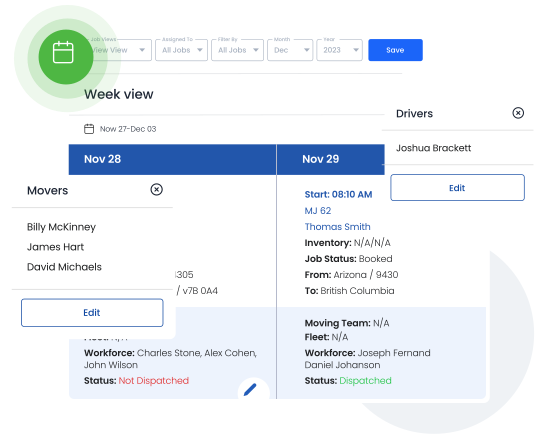
Shared trucks and crews create pressure once you operate across locations, because decisions in one branch affect another. Without a single view of availability, the same truck can be assigned twice, or crews can be booked for overlapping jobs, which becomes harder to track as volume grows.
To prevent this, set clear ownership rules for shared assets, including which branch has priority and how you handle requests. Also, avoid running shared resources at full capacity, since a small buffer gives you room to adjust when plans change. A shared dispatch view that shows all jobs, trucks, and crews in one place keeps every manager aligned and reduces avoidable conflicts.
Standardize job details, so crews show up prepared
Dispatch starts to break down when crews get different levels of information across locations. One branch may send full details. Another may rely on quick notes or last-minute calls. As a result, crews arrive unprepared, and jobs take longer.
To fix this, every job should follow the same structure. Include the exact address with access details. Add the job scope, customer contact, and assigned truck and crew. This matters even more as you scale moving company dispatch across locations, because calls and texts no longer work as a system. When all teams rely on the same data, crews start prepared.
Replace manual communication with clear, automated flows
Manual communication becomes unreliable as operations grow, because calls, texts, and group chats do not scale across multiple locations. Over time, messages get missed, updates are delayed, and teams depend on constant follow-ups to stay aligned.
Instead, communication should be built into the system so it runs automatically. Assignments should trigger confirmations, job changes should send alerts, and reminders should go out without manual effort. The right communication tools for your moving company reduce back-and-forth and keep everyone aligned. As you grow, a dispatch system that works across multiple moving locations replaces assumptions with clear, automated communication.
Give each branch manager the visibility they actually need
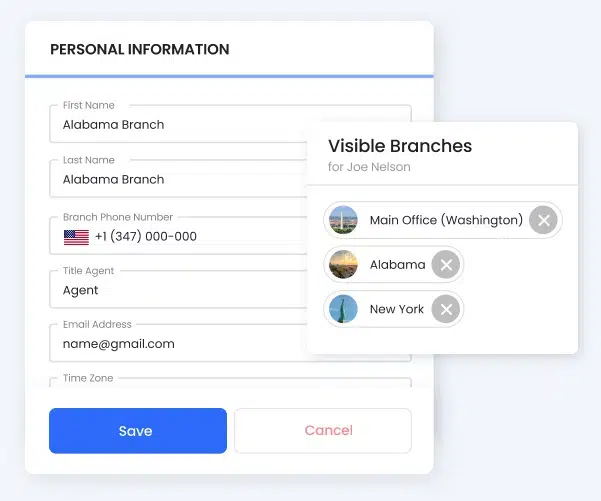
As operations grow, too much information becomes a problem. This happens because when every manager sees everything, it slows decision-making and creates confusion. Each branch manager should focus only on what affects daily work, including jobs, crew assignments, truck availability, and any open moves.
At the same time, shared resources should remain visible so coordination stays smooth across locations. However, managers do not need access to other branches’ financials, internal notes, or full customer histories. This is where a dispatch software for multiple moving branches helps by controlling visibility based on roles. It uses role-based access control, which allows managers to act faster with the right information in front of them.
Build a dispatch routine your team can follow every day
A consistent routine keeps dispatch stable as you grow, because each day should begin with a quick review of jobs, crews, and truck availability across all locations. This ensures that issues are spotted early before they affect the schedule.
In addition, a weekly check on resource capacity helps you plan ahead, including truck maintenance, crew availability, and upcoming workload. Since same-day changes are unavoidable, they should follow a clear escalation path so decisions do not create new conflicts. When managers follow a structured routine and work within the system, dispatch stays predictable even as operations expand.
Your dispatch setup should grow with your business
Multi-location dispatch does not fail because of people. It fails when there is no system holding everything together. As you grow, small gaps in structure turn into daily issues that slow your team down and create unnecessary mistakes. A strong dispatch system that works across multiple moving locations needs a clear model, consistent job information, and communication that runs without constant follow-up. When each manager sees what they need and your routines stay consistent, operations are easier to control even as volume increases. If you want to streamline moving company dispatch, this is where it starts. Build the system early, keep it consistent, and let it support your growth instead of reacting to it.
Frequently Asked Questions
Why does dispatch break down with multiple locations?

Because each branch may use different processes, leading to miscommunication, double bookings, and lack of visibility across teams.
What is the best dispatch model for multi-location movers?
Most companies use a hybrid model, combining centralized visibility with local control to balance coordination and flexibility.
